

So the app is already on your phone – when does it actually update? Most users expect the 1xBet app to behave like anything from the Play Store, where updates roll in silently. Because the Android version is installed as an APK file from outside the store, the answer is less automatic, and it depends on how you first installed it. This guide walks through the whole thing: what the app does every day, how to get the APK, how to keep it current, and what to try when something goes wrong.
What You Actually Use It For Every Day
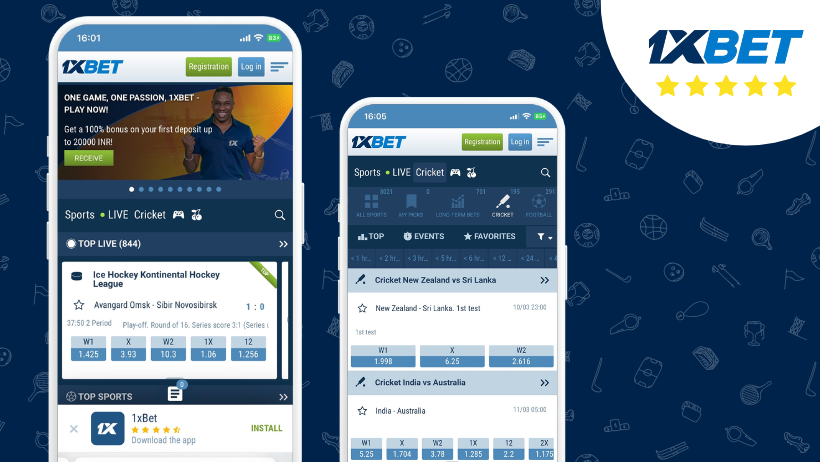
The app covers three main areas – sports betting, live betting, and casino games – along with the money side of your account. Finding a fixture is a matter of a couple of taps, the list of matches is filtered rather than endless, and odds refresh themselves without you reaching for a refresh button. Live betting is where having the app makes the most difference: prices move by the second, and opening a browser tab, waiting for it to load, then hunting for the same market can cost you the price you saw. The app keeps that moving number on screen.
The casino section is not an afterthought. Slots, table games, and the live-dealer tables all load inside the same app, and your balance follows you across sections without a separate login. The cashier page is where you handle deposits and withdrawals, see your payment history, and pick from whatever payment methods your region supports – the list genuinely differs between countries and app releases, so it is worth a look before you pick a method you will stick with. The account menu holds the less glamorous but useful stuff: bet history, settled and unsettled slips, personal details, and the settings for notifications and odds format.
- Pre-match markets for sports fixtures across leagues and events
- Live betting with odds that update as the match plays out
- Casino games, including live-dealer tables in the same app
- Deposits, withdrawals, and your payment history in one place
- Account settings, bet history, and notification controls
Getting the APK Onto Your Phone
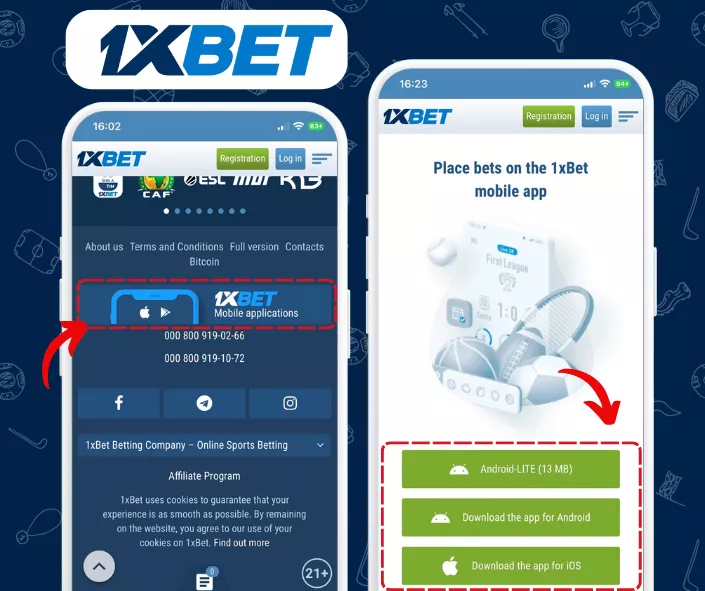
The Android app does not come from the Play Store, so the route is a direct download of the APK file. An APK is simply Android’s installer package – the same format any app uses, delivered here outside the store. Before you load one, check that the site you are downloading from really belongs to 1xBet: look at the web address for a genuine company domain rather than a lookalike page with a tweaked name, because third-party mirrors sometimes bundle their own additions into the installer. Avoid random links posted in forums or group chats.
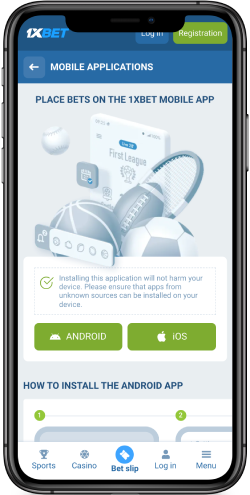
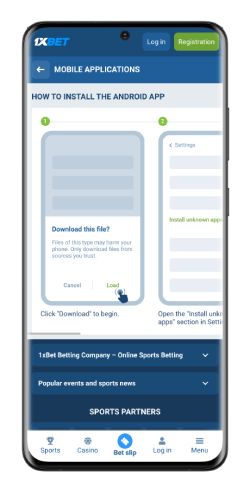
Android will block the install until you grant permission for the source you are using. In recent Android versions this is not a single global switch – the system asks you to approve the specific app doing the installing: your browser if you downloaded directly, or your file manager if you moved the file across first. Approve that one app, run the installer, and you can switch the permission off again afterwards; the app keeps working, and cutting that access is a decent habit once you are done. The whole 1xbet download for android thing takes a few minutes when the file comes from the right source.
- Open the site you trust and check the domain carefully before tapping anything.
- Download the APK file to your phone.
- When prompted, allow installs from your browser or file manager – whichever you used.
- Run the installer and wait for it to finish.
- Go back to the security settings and revoke the install permission for that source.
Updates When You Sideloaded the App
This brings us back to that opening question. Because the Play Store is not managing the app, updates do not arrive automatically in the background. Depending on your version, the app may prompt you inside its own interface when a new build is out, or you may need to grab the newer APK yourself and install it the same way you did the first time. Either route is quick once you know it exists.
Over time the Android version you have, the region you are in, and the particular release all shape what updating looks like, so do not assume one method covers everyone. What does apply generally: Android checks a signature when an update tries to install over the existing app. If the new APK is signed with a different certificate than the one on your phone, the system will refuse to install over it. The fallback is to uninstall the old copy first – but that can wipe local app data, saved logins, and stored settings, so do not do it lightly or without checking there is no other way. A clean signature match means the update installs on top of what you have, and your account details stay put.
| Situation | What usually happens |
|---|---|
| Same certificate on new APK | Installs as an update, account and settings preserved |
| Different signing certificate | Install blocked, uninstall the old app first |
| Uninstall and reinstall | App data, logins, and stored settings may be gone |
When Installation Refuses to Cooperate
The most frequent complaint is the unknown-sources prompt that looks like an error but is just the permission step, mentioned above. Past that, a few recurring problems have fairly standard answers.
- Install blocked warning: this is the permission issue. Check which app was given the source approval, adjust it, and retry.
- “App not installed” message: often a certificates clash against an existing copy, or a corrupted download. Either remove the previous app – with the data loss that can bring – or re-download the file.
- Parse error: grab a fresh copy of the APK; interrupted downloads sometimes leave a broken package that cannot be read.
- App crashes on first launch: a mismatch between the build and your Android version. Check the general system requirement level for that release.
For anything beyond these, the first stop is clearing your browser’s cache if the file never completed, or checking storage space – an APK needs room to unpack during install, and a nearly full phone can fail with no clear message.
App or Browser – a Fair Comparison
Not everyone wants another installed app, and plenty of people simply use the mobile website. The browser side does a credible job: the same account, the same markets, the same cashier. Technically it behaves like a progressive web app in the sense that you can add it to your home screen and it opens in its own window, so it feels closer to a real app than a bookmark.
The differences are in the small stuff. The dedicated app tends to hold your login longer, which matters when you bet in-play and every re-login burns seconds. Notifications work better from an installed app, since browsers limit what a website can push to you. The mobile site’s advantage is that nothing sits on your phone, no APK updates to manage, and no permissions discussion to have. Availability of each option, and the exact interface on either, depends on your region and current release – treat the general picture as a guide, not a fixed rule.
| Factor | Installed app | Mobile site |
|---|---|---|
| Installation | APK, permission needed | None |
| Login persistence | Usually longer | Tends to expire sooner |
| Updates | Manual, via APK | Always current |
| Notifications | Full support | Limited |
One thing worth saying regardless of format: betting should remain affordable entertainment, so set a limit on what you deposit before you start, and stick to it.

FAQ
Do I need to allow unknown sources permanently?
No. Grant it only for the browser or file manager doing the install, then revoke it. The app keeps working afterwards.
Will updating remove my account details?
If signatures match, the update installs over the existing app and your details stay. Uninstalling usually clears local data.
Can I use the mobile site instead of the APK?
Yes, the mobile website covers the same account and betting features without any installation or permissions.
Why does my install say “app not installed”?
Usually a signing conflict with an older copy on the phone, or sometimes a corrupted download file.
Is the app the same everywhere?
No. Available payment methods and parts of the interface vary by region, operating system, and app release.